Used houseplant potting mix: Refresh it or replace it?
In short
There is a pile of potting mix on the tray after repotting. Does it all have to go? If it came from a healthy plant and is still loose, refreshing it with suitable fresh mix is an option. For the next indoor pot, use fresh mix if the old batch has an uncertain history, disease, pests or heavy salt deposits. Even used mix that looks fine is not proven free of pathogens.
In this guide
Which plant did the mix come from?
Keep the leftovers from different pots separate at first. Can you remember what grew in each one and whether the plant was healthy? That history matters. University of Maryland advisers allow refreshing mix from healthy plants, but recommend replacing it after root rot.
The University of Wisconsin’s plant disease specialists go further and recommend fresh mix as a general precaution. That is the more cautious choice: you cannot screen a normal-looking pile for every pathogen at home. If you want to keep this risk of transmission as low as possible, use suitable fresh potting mix.
Source: University of Maryland HGIC / Ask Extension: Re-using potting soil #895136
Keep these leftovers out of the next indoor pot
If the previous plant was diseased, there were pests in the mix or its cause of death is unclear, do not reuse that batch for another houseplant. For soft, rotting roots, follow our root rot guide. Mixing in fresh material does not eliminate pathogens.
Set aside heavily crusted mix too. Hard, pale salt deposits can come from watering and fertilizer, and can damage roots. White fluff is a different issue; our guide to mold on potting mix explains how to assess these surface growths.
Source: University of Wisconsin–Madison Extension: Root Rots on Houseplants
The mix turns to fine dust or sticks together
Rub a little of the leftover mix between your fingers. Do the particles still separate easily, or is there mostly fine material once you break it apart? Organic ingredients decompose over time. As they do, the spaces that hold air and water can shrink.
A new potting mix needs both useful structure and suitable nutrients. Fertilizer supplies nutrients; it cannot make collapsed mix airy again. If the old batch has become badly compacted or broken down, use fresh mix for the houseplant pot.
Source: Oklahoma State University Extension: Gardeners can reuse, recycle last year’s potting soil
Refresh a suitable batch with fresh potting mix
For known, healthy leftovers that still have a loose structure, Montana State University recommends refreshing with fresh mix. Maryland’s advice on reuse also recommends replacing half with fresh potting mix. A practical example is 1 litre of suitable used mix blended with 1 litre of suitable fresh mix. This only applies when both mixes suit the intended plant.
Remove larger root remnants and dead plant material. Blend the batch on a clean surface with a clean scoop. Soil stuck to containers and tools can carry plant diseases: brush out used pots and wash them. After contact with diseased plants, use a suitable disinfectant according to its label as well, before working with healthy plants.
Source: Montana State University Extension: How do I repot a houseplant?
The blend has to suit the next plant
Adding fresh multipurpose potting mix to old foliage-plant mix does not automatically make an orchid or cactus medium. Different plant groups need different root conditions. A coarse, bark-based mix suits many common Phalaenopsis orchids; succulents need a mix that dries readily. Our guide to choosing potting mix helps you find the right starting point.
The litre example is therefore not a universal recipe. If you do not know what the original mix contained, or its properties no longer suit the plant, choose an appropriate fresh product. Pot size and drainage still matter too; our repotting guide covers the practical steps.
Source: University of Maryland Extension: Potting and Repotting Indoor Plants
Watering and feeding may change after planting
Do not add fertilizer just in case. Fresh commercial mixes may already contain fertilizer. Read the bag and base further feeding on the plant and its actual growth. Our fertilizing guide explains how to account for nutrients already supplied.
A different blend may change how quickly the pot dries. Lift the inner pot to judge its weight and feel below the surface as appropriate for the plant. Water according to its actual needs and let excess water drain. The previous weekly routine is not a reliable measure; our watering guide helps you judge when to water.
Source: University of Illinois Extension: Houseplant Care – Fertilizing
Still useful, but no longer right for a pot?
Known healthy mix that has become depleted need not always be discarded. In a garden, it can improve soil or be added to compost in small batches. That is a different use from filling a confined houseplant pot, where the mix has to suit the root environment.
These garden uses here apply to mix from healthy plants. For leftovers from diseased plants or pots with an unknown history, ask your local waste service about an appropriate disposal route.
Source: Royal Horticultural Society: How to reuse spent compost
Your checklist
Tick off what you have already checked. Nothing is saved.
Frequently asked questions
How many times can I reuse the same mix?
A fixed number would not be very useful. Its history, the health of previous plants and the remaining structure matter more than the number of repottings. If it has broken down, is heavily crusted or has an uncertain history, choose fresh mix for houseplants.
The plant dried out. Is its mix automatically unusable?
Drying out is not the same as an infectious disease. Still, establish why the plant died as far as you can. Refreshing is only an option if disease and pests are not suspected and the mix remains suitable. Choose fresh mix if the cause is unclear.
Does a little white fluff mean root rot?
No. Surface fungi often feed on organic material and do not automatically mean root rot. They do not prove the rest of the mix is suitable for another plant either. Consider the plant’s condition, moisture and structure together; inspect roots if wilting worsens while the mix stays wet.
Remember what went into the pot
In your Plantly journal, note the repotting date, the mixes you used and their proportions. Add whether the fresh mix already contains fertilizer. When it is time to water or feed, you will have a record of what is in the pot.
Explore the related Plantly feature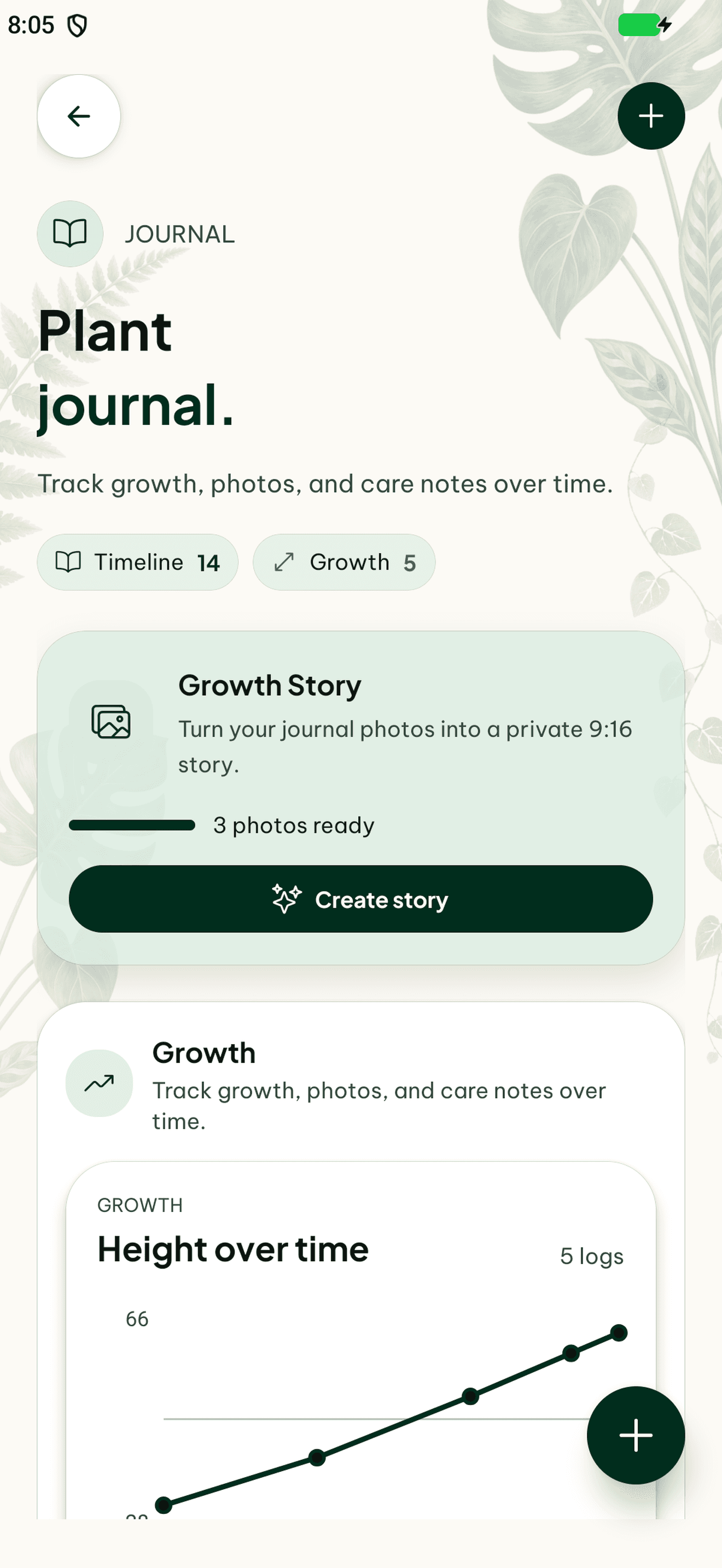

Sources
- University of Maryland HGIC / Ask Extension: Re-using potting soil #895136ask.extension.org
- University of Wisconsin–Madison Extension: Root Rots on Houseplantshort.extension.wisc.edu
- Oklahoma State University Extension: Gardeners can reuse, recycle last year’s potting soilextension.okstate.edu
- Montana State University Extension: How do I repot a houseplant?montana.edu
- University of Maryland Extension: Potting and Repotting Indoor Plantsextension.umd.edu
- University of Illinois Extension: Houseplant Care – Fertilizingextension.illinois.edu
- Royal Horticultural Society: How to reuse spent compostrhs.org.uk
Checked on 7 November 2026. This guide does not replace advice for your individual plant.