Which potting mix is right for your houseplant?
In short
Ten bags in the shop, all promising strong roots? Many common foliage plants do well in a good, suitably labelled peat-free houseplant mix. Drought-loving succulents and tree-growing orchids need different media. A long ingredient list matters less than a mix that holds some water, lets excess drain and leaves air around the roots.
In this guide
Roots need both water and air
Substrate, or growing medium, simply means the material around a plant’s roots. A good mix has pores: small spaces between particles that hold water and air. If those spaces stay full of water, roots lack oxygen.
A bag of dark, fine material is not automatically better than a loose mix with visible coarse ingredients. What matters is how it behaves in the pot, not how much it resembles garden soil.
Source: University of Maryland Extension: Growing media for containers
Identify the plant before choosing the bag
A ready-made houseplant mix is a useful starting point for many common foliage plants. It should hold some moisture without remaining continually wet after watering.
Drought-adapted cacti and succulents need a mix that dries readily, with more mineral material. For a moth orchid, choose an airy orchid medium, usually containing bark chunks, rather than ordinary potting mix. Orchids do not all grow the same way: the botanical name is more useful than “orchid” alone.
Source: University of Maryland Extension: Potting and repotting indoor plants
Specialists need more than a foliage-plant label
Acid-loving plants such as azaleas need a suitable lower-pH mix. For carnivorous plants, choose a medium specifically intended for them. Peat-free options are available for these groups too. A general mix that works for your monstera is not automatically right for every other plant.
Source: Royal Horticultural Society: Peat-free compost choices
What do perlite, bark and coir do?
Perlite and pumice help keep a mix open and airy. Suitable coarse bark also creates air spaces and is important for many orchids. Coir holds moisture; how much depends partly on whether it is finely milled or in larger chunks.
Vermiculite holds plenty of water, so it is not a straightforward substitute for perlite. Before adding anything, decide what you want to change: retain more moisture or let the mix dry faster? Combining lots of ingredients does not automatically improve a growing medium.
Source: Royal Horticultural Society: Compost mixes for houseplants
Choose peat-free, then read the rest of the label
Peat-free mixes can grow plants successfully. Bark, wood fibre, coir and other ingredients behave differently depending on the blend. Look at the intended use and the watering and feeding instructions.
If fertilizer is already included, do not automatically add your usual full dose. Start with the bag’s nutrient information; our fertilizer guide helps with the next decision. “Organic” and “peat-reduced” do not mean “peat-free”.
Even a good mix needs somewhere for water to escape
Garden soil alone is not a good shortcut in an ordinary houseplant pot: it can compact and carry unwanted organisms. Use a suitable potting medium and an inner pot with drainage holes. An oversized pot can also stay wet unnecessarily. See repotting houseplants for the practical steps.
Source: Illinois Extension: Containers and potting mixes for houseplants
Does water run straight through or linger in the pot?
Fast runoff may mean very dry mix is repelling water. Feel inside the root ball after slow watering rather than treating quick drainage as proof of a good mix.
If the pot stays wet unusually long, low light, a large container or damaged roots may also be involved. A dry surface is not enough to judge. Get to know the pot again after changing its mix; the old watering interval may no longer fit.
Source: Virginia Cooperative Extension: Properly watering container houseplants
Your checklist
Tick off what you have already checked. Nothing is saved.
Frequently asked questions
Do I need to make my own potting mix?
No. A suitable ready-made mix is a good starting point for many plants. Mixing your own is useful when you want to change particular properties and adjust care accordingly.
Is more perlite always better?
No. The mix still needs to hold enough moisture for the species and location. The whole blend matters more than maximizing one ingredient.
Should I immediately repot a healthy new plant into better mix?
Not simply because another product is available. If roots, pot and water behaviour are suitable, there is no reason for an immediate change. Repotting should solve a specific need.
Remember what is inside the pot
Add a photo of the mix label to Plantly’s plant journal and note the repotting date. You will have the ingredients and included-fertilizer instructions handy next time you need them.
Explore the related Plantly feature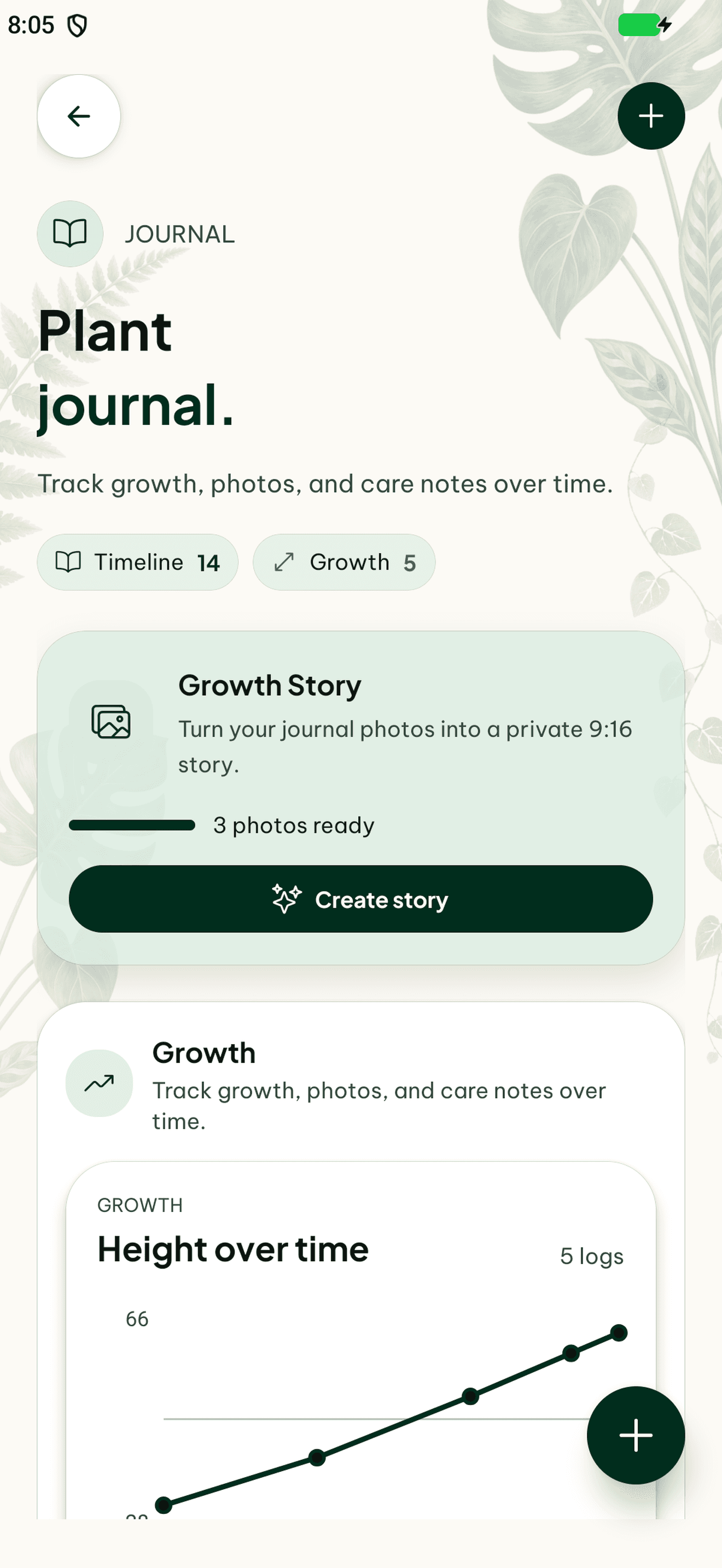

Sources
- University of Maryland Extension: Growing media for containersextension.umd.edu
- University of Maryland Extension: Potting and repotting indoor plantsextension.umd.edu
- Royal Horticultural Society: Peat-free compost choicesrhs.org.uk
- Royal Horticultural Society: Compost mixes for houseplantsrhs.org.uk
- Royal Horticultural Society: Alternatives to peatrhs.org.uk
- Illinois Extension: Containers and potting mixes for houseplantsextension.illinois.edu
- Virginia Cooperative Extension: Properly watering container houseplantspubs.ext.vt.edu
Checked on 23 October 2026. This guide does not replace advice for your individual plant.