Amaryllis care: From the first shoot to life after flowering
In short
A green tip is pushing out of that large bulb. Does it need a full watering can already? Not yet. Give your amaryllis a bright, warm spot and keep the mix barely moist at first. As the shoot grows, it needs more water, but never a waterlogged outer pot. Keep the green leaves after flowering: they help replenish the bulb for another season.
In this guide
First, is it in potting mix or sealed in wax?
The winter-flowering amaryllis sold for the home belongs to the genus Hippeastrum. This guide covers the usual large-flowered hybrids growing in potting mix. Choose a firm bulb without soft, rotten patches.
A waxed bulb is different. During its decorative display, it flowers from stored reserves without soil or watering. Do not apply the watering advice for potted bulbs to one still sealed in wax.
Source: Iowa State University Extension: All About Amaryllis
Leave the top half of the bulb above the mix
For a bare bulb, choose a stable pot with drainage holes, only a few centimetres wider than the bulb. Add loose, free-draining potting mix, settle the roots into it and fill around them. Leave roughly the top half of the bulb exposed and firm the mix gently.
Leave room below the rim for watering, then water once and let the excess drain. If your plant arrived potted, look for drainage first. A closed decorative container needs a suitable inner pot; our repotting guide explains the basics.
Source: Iowa State University Extension: How do I pot up an amaryllis bulb?
A new shoot does not need a soaking-wet pot
After that first watering, keep the mix barely moist. With little growth, there is little water use. Do not add more every day just in case.
Once the shoot is growing strongly, keep the mix more evenly moist. Let the top centimetre or two dry before watering again and feel it first. If the pot is still heavy and the mix underneath is wet, wait. Water the mix, let the inner pot drain and empty any water from the saucer or outer pot. Our guide to watering houseplants helps you judge what is happening in the root ball.
Start it in bright light; keep open flowers a little cooler
A very bright spot at around 20–22°C (68–72°F), away from direct heater airflow, suits a bulb starting into growth. Turn the pot a little regularly so the stalk does not lean towards the window. Our guide to light can help you find a suitable spot.
Once flowers open, a bright, cooler position around 15–18°C (59–64°F), out of strong direct sun, helps them last longer. Avoid anywhere at risk of freezing. If the stalk becomes top-heavy, tie it loosely to a stake near the pot edge without injuring the bulb.
The flowers are finished, but the leaves still have a job
Remove each faded flower with its swollen base to prevent seed formation. Leave the main flower stalk until it turns yellow or brown, then cut it a few centimetres above the bulb. Keep the green, strap-like leaves.
Return the plant to a sunny spot and keep watering as needed. The leaves use light to make sugars that the bulb stores. Feed during active growth according to the product label, allowing for any fertiliser already in the mix; our fertilising guide explains this. Drying everything out immediately would cut that recovery period short.
Source: University of Wisconsin–Madison Extension: Amaryllis, Hippeastrum
Next season's flowers start with a bright summer
After the last frosts, you can move the plant outside, starting in shade and gradually introducing more sun. Bring it back before frost. A sunny indoor position works too; care after flowering does not have to happen outdoors.
Modern hybrids can flower again without a forced rest. To have more control over timing, one option is a cool, dry period the following autumn: roughly eight to twelve weeks around 10–13°C (50–55°F). Do not water or feed during this rest, and remove dying foliage only once it is dry. When new growth appears, return the pot to a bright, warm spot and start watering cautiously. A newly bought bulb prepared for growing does not need another rest before it starts.
Source: University of Illinois Extension: How to take care of amaryllis and get them to rebloom
Leaves alone and a soft bulb are different situations
A leaf may appear before a flower stalk; that alone does not mean something is wrong. If a bulb you have kept fails to flower, insufficient reserves or too little light during the previous growing season may be involved. Let healthy leaves grow rather than adding more water to force a bloom.
Soft, rotten patches are a warning sign. If the mix stays wet and the plant is wilting, stop adding water and look at drainage and roots. Our root rot guide can help. A collapsing, mushy bulb is not simply resting.
Source: New York Botanical Garden: Amaryllis (Hippeastrum) – Houseplant Care
Keep the bulb away from children and pets
Hippeastrum is poisonous, not an edible onion. Keep the plant and any loose bulbs out of reach of children and pets. The ASPCA identifies the bulb as the most poisonous part for dogs and cats.
If a pet eats any, seek veterinary advice promptly. For a child, contact a poison centre or medical professional. Do not wait for symptoms to appear.
Source: ASPCA Poison Control: Lily of the Palace (Hippeastrum spp.)
Your checklist
Tick off what you have already checked. Nothing is saved.
Frequently asked questions
Will a bulb planted now definitely flower at Christmas?
No. Many take around six to eight weeks, while some prepared bulbs are faster. Variety, preparation and warmth change the timing. Use the supplier's information as a guide, not a guarantee of flowers on Christmas Eve.
Does the bulb need repotting every year?
No. Amaryllis prefer a fairly snug pot and undisturbed roots. Assess the space, mix and drainage. Repot when the existing setup no longer suits the plant, without moving it into an unnecessarily large container.
Can I keep a waxed bulb after flowering?
Sometimes. The wax needs removing carefully without damaging any remaining roots, then a healthy bulb can be potted. Some are too depleted to recover, or grow only leaves the following year.
Find your own bulb's flowering rhythm
Use Plantly's plant journal to save a photo when the first shoot and flowers appear. Later, note any planned rest period and where you kept the pot. Next year, you can look back at your own bulb's progress instead of relying only on a general calendar.
Explore the related Plantly feature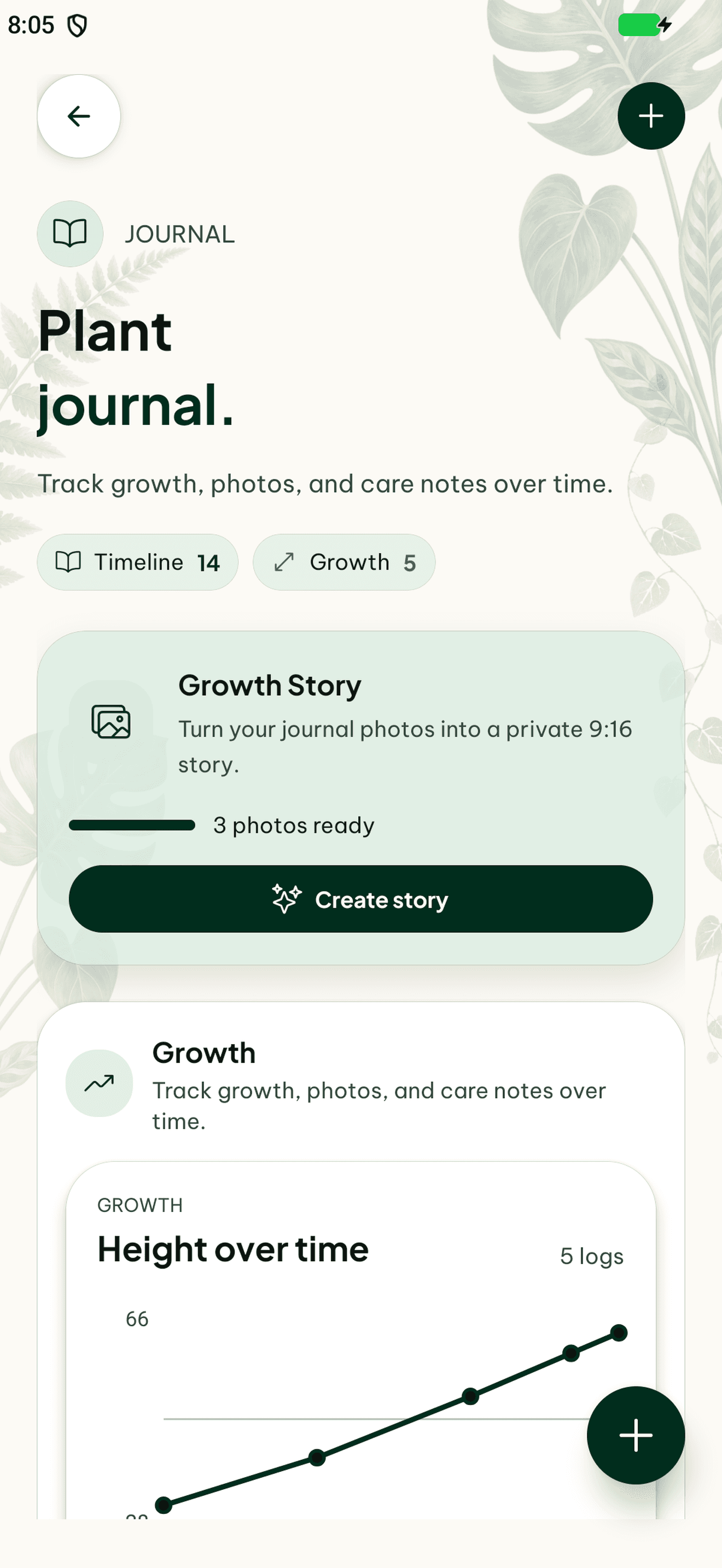

Sources
- Iowa State University Extension: All About Amaryllisyardandgarden.extension.iastate.edu
- Iowa State University Extension: How do I pot up an amaryllis bulb?yardandgarden.extension.iastate.edu
- University of Maryland Extension: Amaryllis Careextension.umd.edu
- Royal Horticultural Society: Hippeastrumrhs.org.uk
- University of Wisconsin–Madison Extension: Amaryllis, Hippeastrumhort.extension.wisc.edu
- University of Illinois Extension: How to take care of amaryllis and get them to rebloomextension.illinois.edu
- New York Botanical Garden: Amaryllis (Hippeastrum) – Houseplant Carelibguides.nybg.org
- ASPCA Poison Control: Lily of the Palace (Hippeastrum spp.)aspca.org
Checked on 27 October 2026. This guide does not replace advice for your individual plant.