Indoor hyacinths and paperwhites: Caring for bulbs in pots and glass
In short
Roots trail into the glass and the first flower bud is appearing above them. Should you add more water? Only enough to supply the roots without leaving the bulb itself sitting in it. In a pot, keep the mix lightly moist rather than wet. Hyacinths and paperwhites bought in bud or flower need a bright spot; once flowers open, cooler conditions help them last.
In this guide
Read the label before deciding how to start
This guide covers garden hyacinths, Hyacinthus orientalis, and fragrant indoor narcissus sold as paperwhites, such as Narcissus papyraceus and related Tazetta types. Do not apply it to every garden daffodil. For Hippeastrum, see our separate amaryllis care guide.
If you bought a plant already in bud or flower, its preparation is complete. It does not need another cold, dark spell. Loose bulbs are a different starting point: Hyacinths need suitable cold preparation, while paperwhites do not need a long chilling period to form flowers.
Source: University of Wisconsin–Madison Extension: Forcing Bulbs
Loose bulbs: “Prepared” does not always mean fully chilled
For early indoor hyacinth flowers, choose bulbs specifically sold for that purpose. “Prepared” can refer to heat treatment for earlier flowering; the word alone does not establish that all chilling and rooting requirements have been completed. Follow the instructions for the actual bulbs you bought. Ordinary garden bulbs need much more lead time.
Paperwhites can start without that cold preparation. An initially cooler spot helps root growth, but that is not the same as a hyacinth's long chilling period. For both, flowering time depends on cultivar, preparation and temperature. Christmas Day is not a guaranteed deadline.
Source: Royal Horticultural Society: Bulbs for Christmas flowering
In a pot, water the mix and empty the decorative cover
For growing in potting mix, an inner pot with drainage holes is the simplest setup to manage. Use a loose, peat-free potting mix, plant with pointed ends up and leave the tips showing. You do not need to dismantle a healthy, established potted display to do this.
Feel the surface before watering. If it is still damp, wait. When it begins to dry, water slowly onto the mix between the bulbs. Let excess water drain and empty the outer pot. Avoid both a completely dry root ball and permanently wet mix. Our houseplant watering guide explains the technique.
Source: Iowa State University Extension: How do you force paperwhite narcissus?
In glass, keep the roots in water and the bulbs above it
A hyacinth sits securely in the narrow neck of a forcing vase. Paperwhites can stand in a clear bowl of washed pebbles: The stones hold them upright while their tips remain exposed.
Fill to just below the base of the bulbs. Existing roots should reach the water, but the bulbs themselves should not be immersed. Look at the level regularly and top up only to that height. The University of California's paperwhite guidance makes the same distinction between wet roots and bulbs kept out of the water. A clear bowl makes this easier to see than an opaque decorative container.
Sources describe the starting level either at the bulb base or just below it. The practical aim during growth is the same: Supply the roots without submerging the bulb. A soft, foul-smelling bulb is not a sign of thirst; simply adding more water is not the answer. Remove decaying bulbs from a shared bowl.
Source: Iowa State University Extension: How to Force Spring-Flowering Bulbs Indoors
Bright light for growth, cooler conditions for open flowers
Give growing shoots a bright spot near a window rather than the dark center of a dining table. In paperwhites, good light and cooler conditions help keep stems compact. Our light guide helps you assess your available spot.
As flowers open, keep both types in bright light but away from hot direct sun and radiators. Around 15–18°C (59–64°F) is a useful guide for the flowering stage, not a hard cutoff. More warmth speeds development and usually shortens flowering. Cool does not mean a freezing balcony; see our guide to temperature and drafts around the pot.
Source: Illinois Extension: How to grow and care for paperwhites
Flopping stems need support, not extra water
With long, weak stems, look first at light and temperature. Paperwhites can grow tall and unstable in dim light or excessive warmth. Top-heavy stems may still need physical support.
Make sure the container is stable and tie stems loosely to a small support. In potting mix, insert it carefully beside the bulb, not through it. This matters for heavy hyacinth blooms too; the RHS hyacinth guide specifically warns against damaging the bulb. An extra drink will not straighten a leaning stem.
Source: University of Florida IFAS Extension: Paperwhite Narcissus
After flowering, the two plants take different paths
For hyacinths, remove the faded flower stem and keep green leaves. If you want to save the bulb, continue growing it in good light, water as needed and feed plants in potting mix according to the product label. Our fertilizing guide helps with dosing. Reduce water as the leaves naturally turn yellow.
A healthy hyacinth may be worth trying in the garden later. Acclimatize plants coming from a warm room, avoid frozen ground and protect exposed pots. Do not expect the same dense flower spike next year. Repeat flowering is especially uncertain after water culture, and forcing the bulb indoors again is not a dependable plan.
Paperwhites are not reliably hardy garden daffodils for the German-speaking region. Iowa State recommends discarding them after forcing, while the RHS describes frost-free growing-on as an option. It is reasonable to treat them as seasonal flowering plants. If you do try to keep them, let their leaves mature in good light and keep them frost-free. Another flowering display is not promised.
Flower bulbs do not belong beside kitchen onions
Hyacinths and paperwhite narcissus are toxic to cats and dogs, with the bulbs particularly hazardous. Store loose bulbs clearly apart from food and keep plants and water containers beyond the reach of children and pets. Wear gloves when handling bulbs because they can irritate skin.
If a pet eats plant material, seek veterinary advice promptly. If a child swallows any, contact a poison center or medical professional. The National Capital Poison Center's daffodil guidance explains the risks; general reassurance cannot assess an individual exposure.
Your checklist
Tick off what you have already checked. Nothing is saved.
Frequently asked questions
Should I add fertilizer to a hyacinth vase or paperwhite bowl?
It is not needed for the first display. The bulb already contains stored reserves. Do not add fertilizer to the water just in case. Feeding a plant grown on in potting mix later is a different stage.
How long does a bulb take to flower?
Paperwhites often take around four to eight weeks, depending on cultivar, temperature and rooting. For hyacinths, the preparation already completed is crucial. Loose garden bulbs are not at the same starting point as potted plants already in bud.
Do all paperwhites smell equally strong?
No. Some cultivars, including 'Ziva,' have a strong scent that not everyone enjoys; others are milder. Look for the cultivar name when buying, and avoid putting strongly scented flowers where the fragrance bothers you while sleeping or eating.
Keep a record of your bulbs' progress
In Plantly's plant journal, note the cultivar, whether chilling had already been completed, and when the first flowers opened. Add a photo of the pot or vase. Next time you can compare your own timeline, without treating it as a guaranteed flowering date.
Explore the related Plantly feature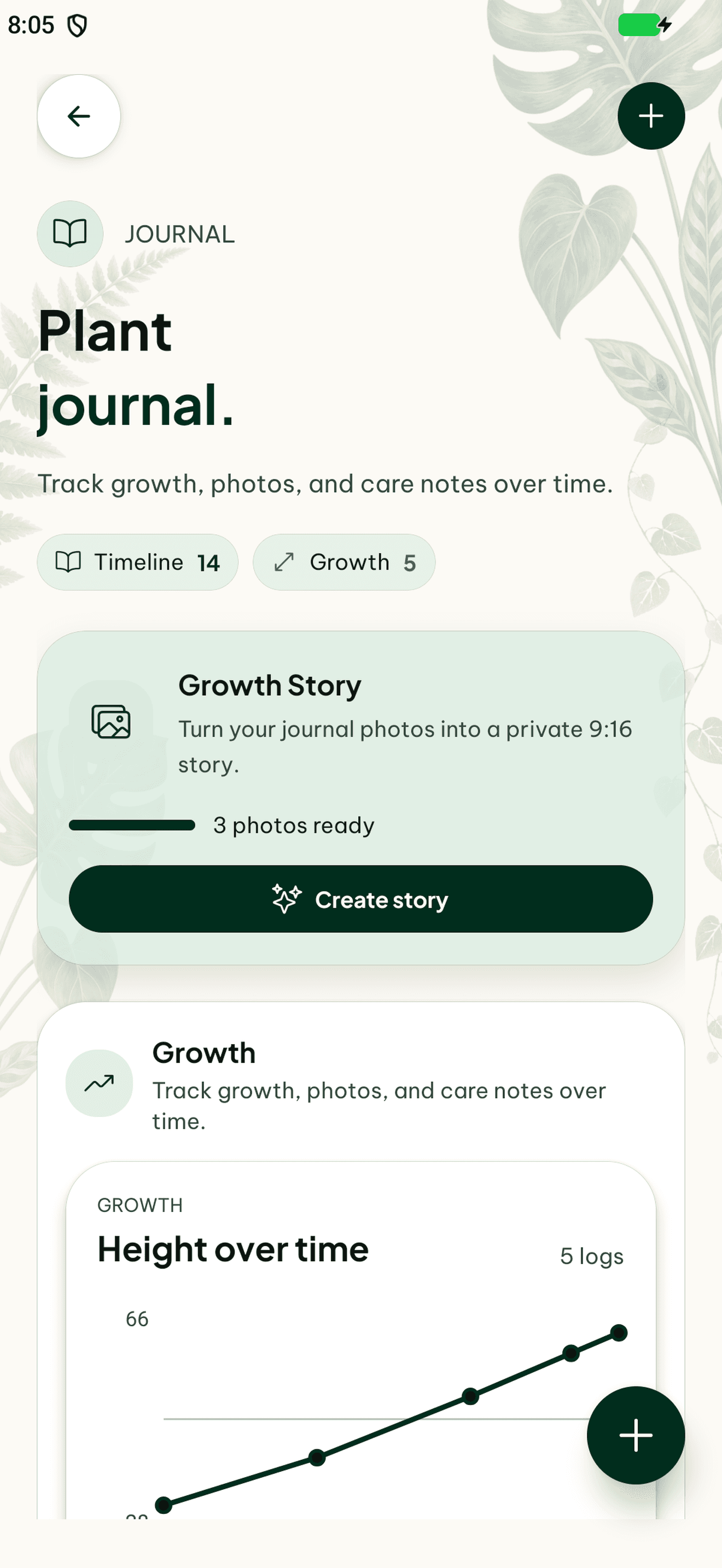

Sources
- University of Wisconsin–Madison Extension: Forcing Bulbshort.extension.wisc.edu
- Royal Horticultural Society: Bulbs for Christmas floweringrhs.org.uk
- Iowa State University Extension: How do you force paperwhite narcissus?yardandgarden.extension.iastate.edu
- Iowa State University Extension: How to Force Spring-Flowering Bulbs Indoorsyardandgarden.extension.iastate.edu
- Illinois Extension: How to grow and care for paperwhitesextension.illinois.edu
- University of Florida IFAS Extension: Paperwhite Narcissusgardeningsolutions.ifas.ufl.edu
- Royal Horticultural Society: How to grow hyacinthsrhs.org.uk
- ASPCA Poison Control: Garden Hyacinthaspca.org
Checked on 30 October 2026. This guide does not replace advice for your individual plant.